IT-4-P-5734 Palynomorphology of Dianthus petraeus (Caryophyllaceae)
Dianthus petraeus Waldst. et Kit. (Caryophyllaceae) is the Central Balkan endemic species. This chasmophytic plant inhabits limestone slopes and also grows along the edge of xerophilic forests in the highland regions. Pollen material was obtained from plant specimens collected from Tisnica river gorge (Eeastern Serbia), at an altitude of 450-500 m.
The pollen morphology of Dianthus petraeus was examined by both, light microscopy (LM) and scanning electron microscopy (SEM), as a contribution to the pollen atlas of Serbian apiflora. For LM study, grains from mature anthers were mounted in Kaiser's glycerin jelly. For SEM study, the pollen grains were covered with gold (in BAL-TEC SCD 005 Sputter Coater, 100 seconds in 30 mA) and observed using JEOL JSM- 6390 LV electron microscope at an acceleration voltage of 20 kV. Measurements were performed on a sample of 30 grains for each morphological character. The following features describing pollen grains were examined: diameter and shape of pollen, ornamentation, spinule and perforation size and density, number and diameter of pores, the interporal distance, operculum ornamentation and exine thickness.
The pollen grains of D. petraeus are radially symmetrical, apolar, spheroidal in shape and medium-sized (Figs. 1-4). Mean of polen diameter is 45.5 ± 1.4 µm. The exine is about 3.7 ± 0.4 µm thick, tectate. The sculpturing pattern of exine was microechinate-microperforate. Tectum is covered with minute echini 0.8 ± 0.1 µm high, more or less evenly distributed between the perforations. The microechini density per sample area of 5 x 5 µm is in average 3.2 ± 0.6. The perforations are rather sparse, elliptic-circular, 0.6 ± 0.2 µm in diameter. Number of perforation per sample area of 5 x 5 µm ranges from 0-2.
Pollen grains are polypantoporate, with about 13 pores distributed more or less regularly over the whole surface. Pores are 6.4 ± 0.7 µm in diameter, circular and operculate. Each operculum 1.5 ± 0.05 µm high, covered with 4-6 conical spinules of 1.4 ± 0.2 µm, which are longer than those on the exine surface. Mean interporal distance is 13.3 ± 1.3µm.
This study was supported by the Ministry for Education, Science and Tehnological Development of Serbia, Project No 46009 and 173018, as well as by EU Commission project AREA, No 316004.
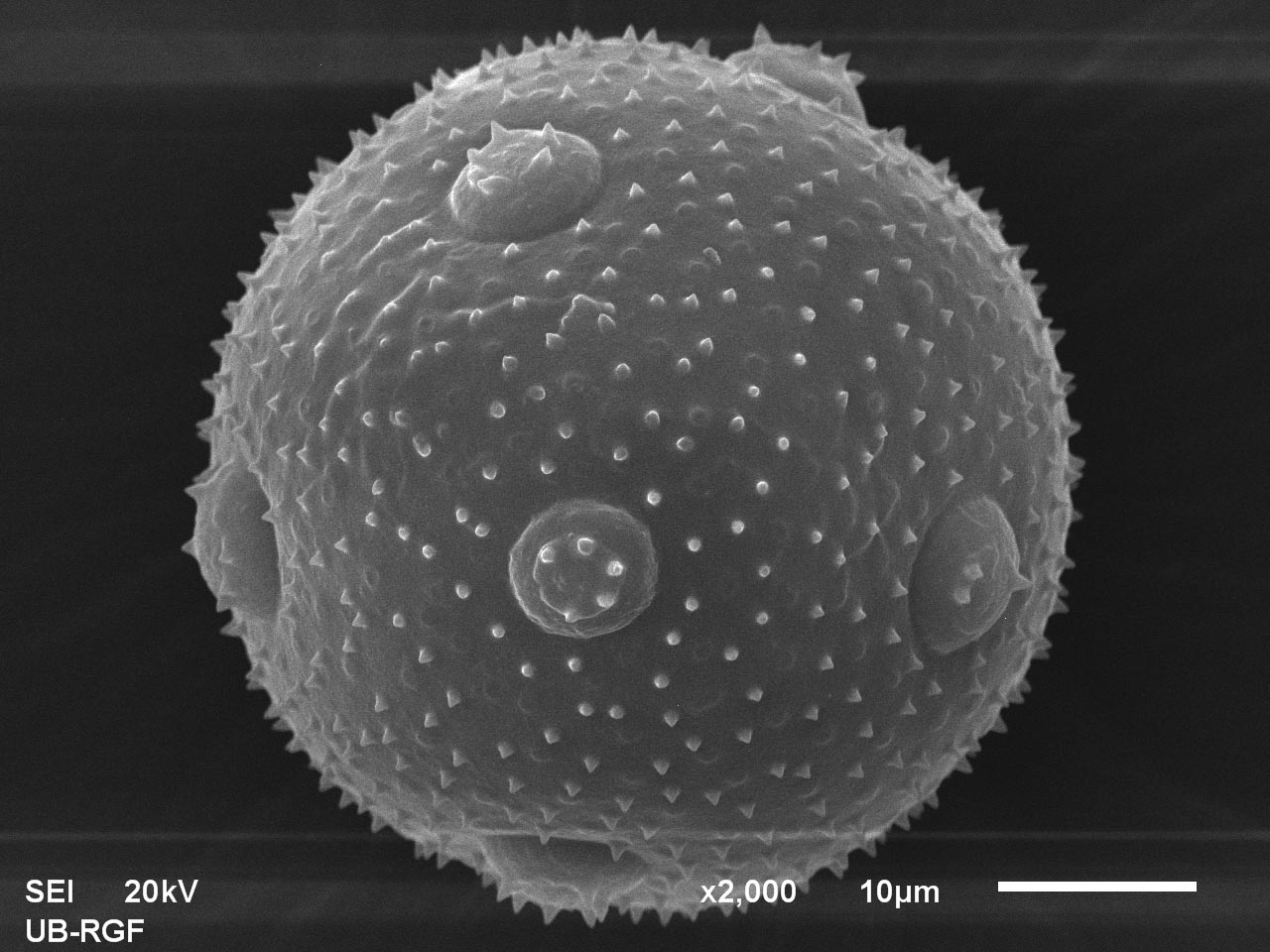
Fig. 1: Polypantoporate pollen grain of Dianthus petraeus possessing minute echini on exine surface. General view (SEM) |
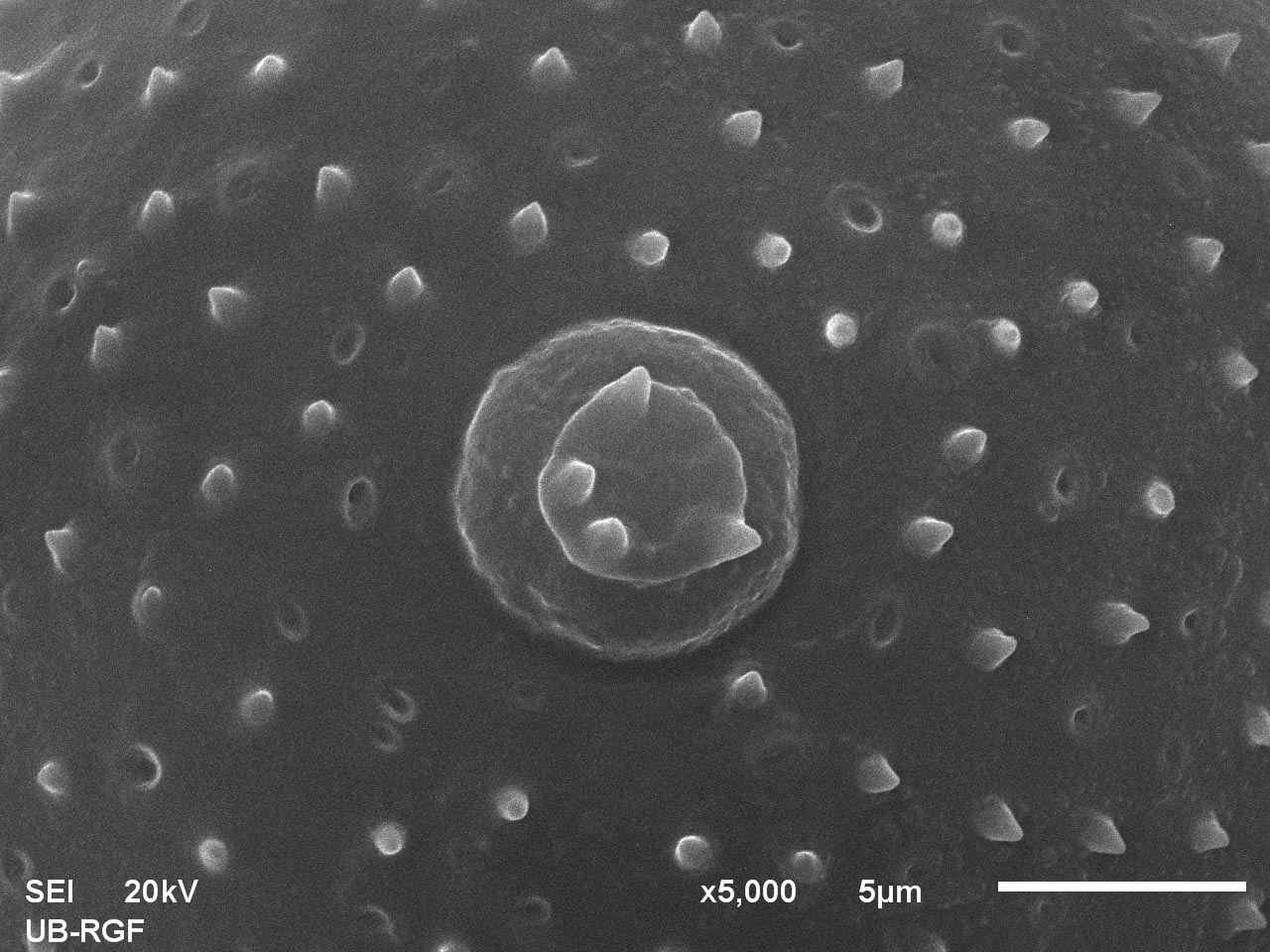
Fig. 2: Detail of exine surface showing supratectal spinules, perforations and circular pore covered with spinulate operculum (SEM) |
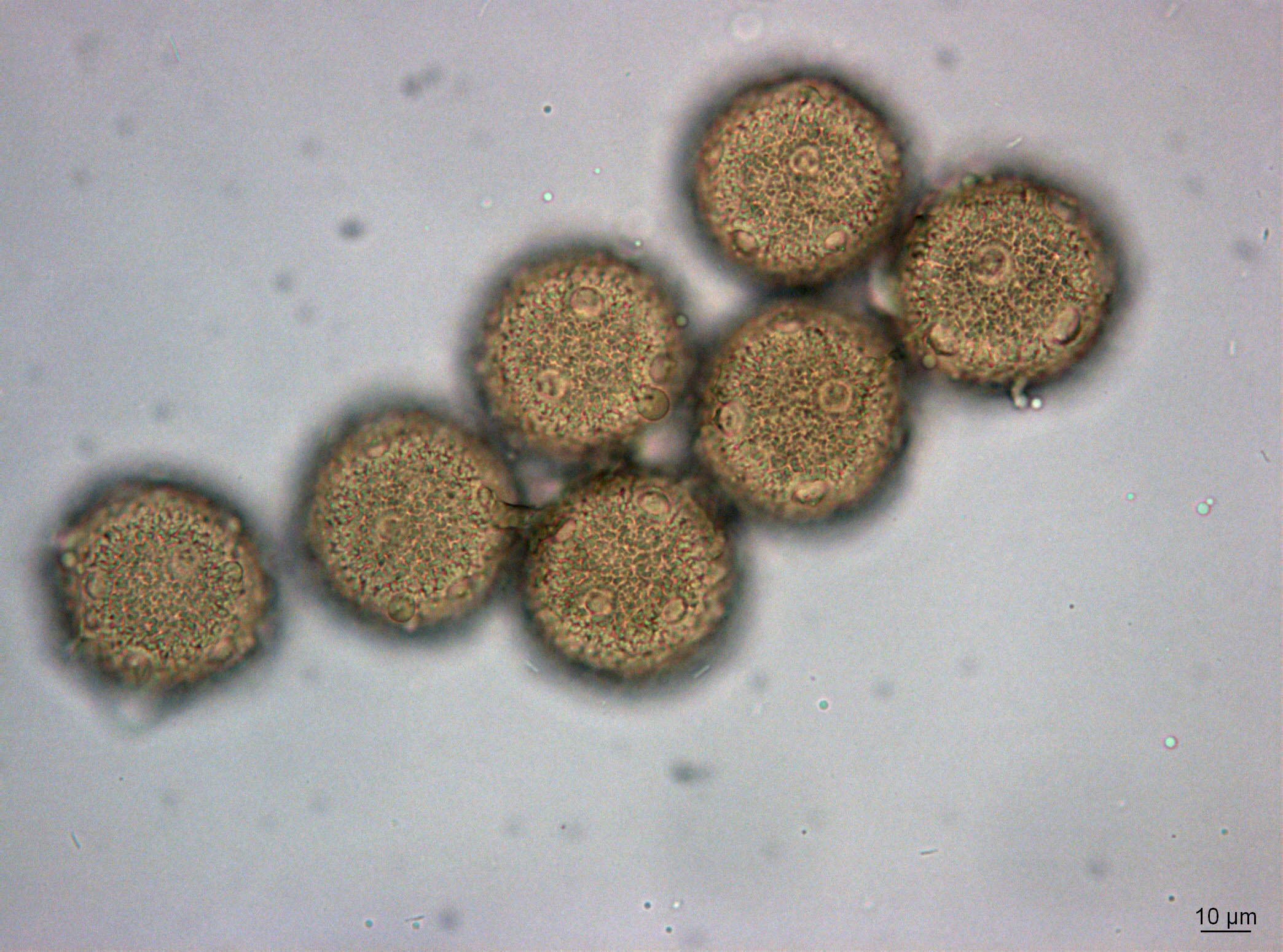
Fig. 3: Pollen grains of Dianthus petraeus. Surface view (LM) |
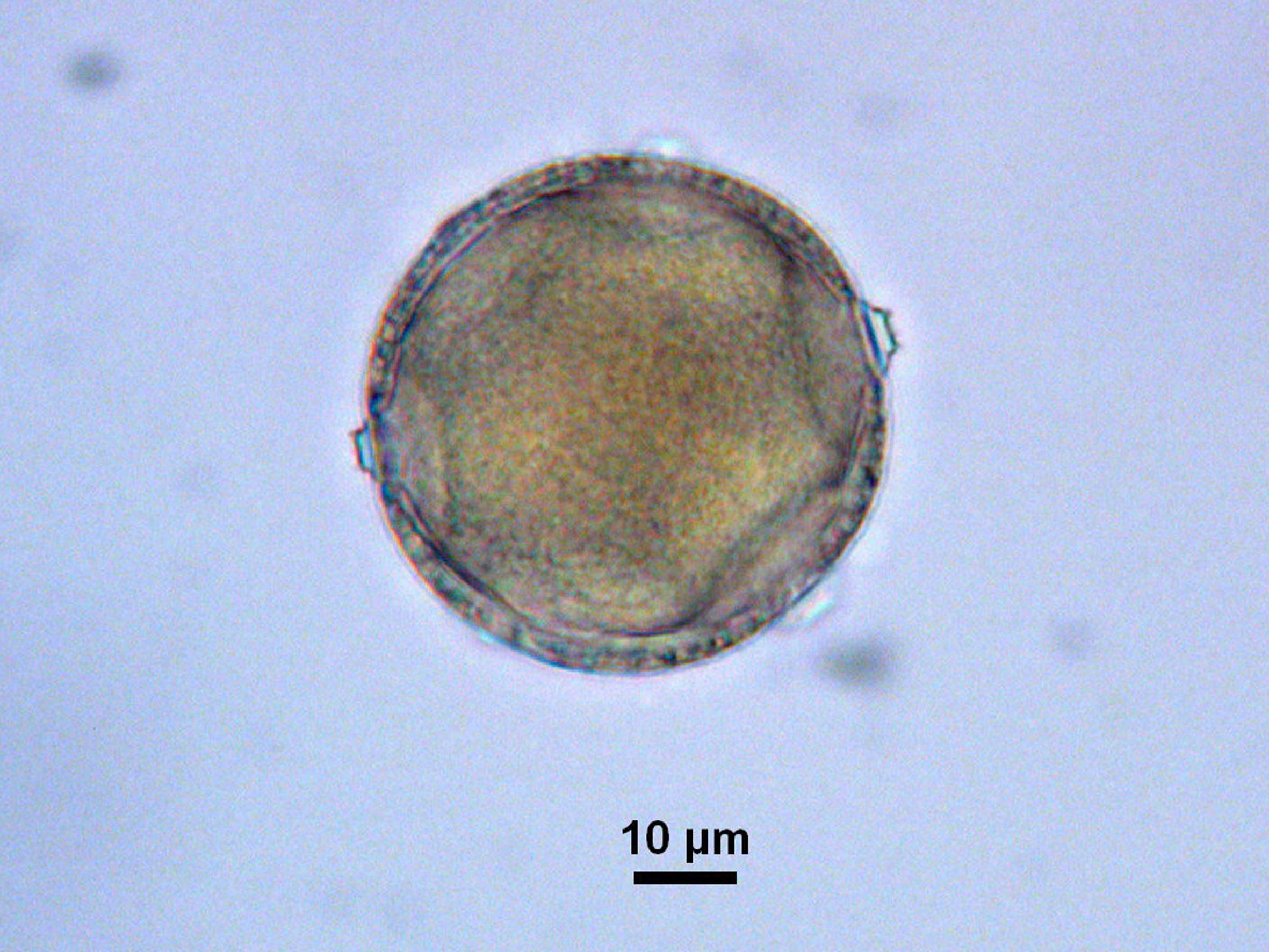
Fig. 4: Light photomicrograph of pollen grain showing circular outline. Optical section |